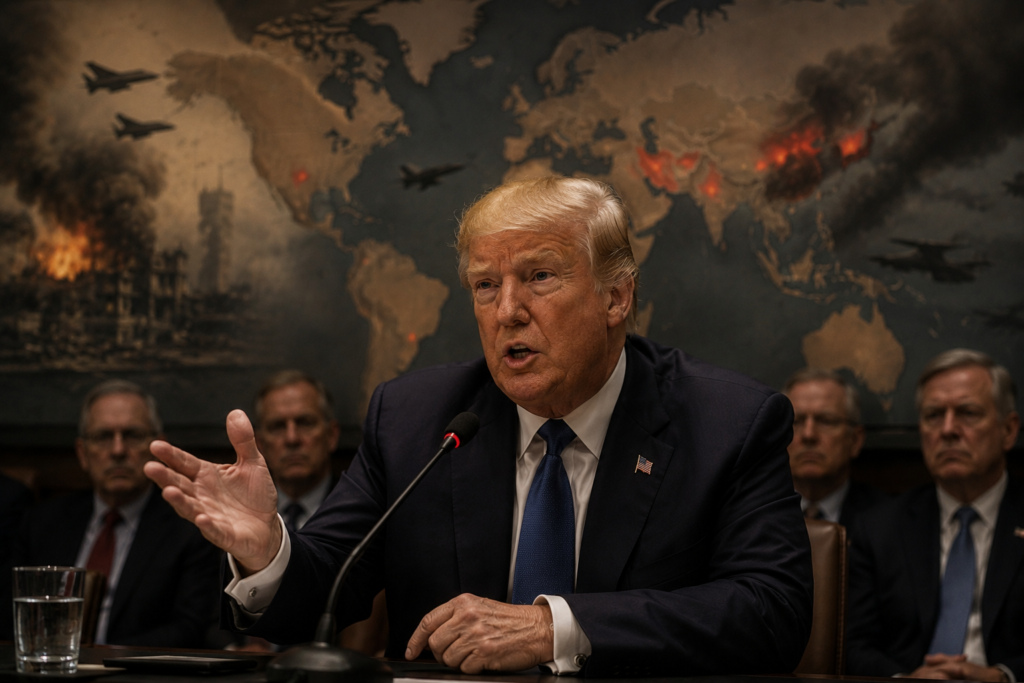
US President Donald Trump has signaled a more cautious approach toward negotiations involving Iran, saying American negotiators should not rush into a deal because time is on our side. The statement, shared through a Truth Social post, marks a noticeable shift from earlier expectations that a potential agreement was already largely negotiated. The development comes amid ongoing efforts to resolve the prolonged US Israel conflict involving Iran and establish a broader diplomatic framework aimed at reducing regional instability. However, multiple geopolitical, military, and financial disagreements continue to complicate the negotiations. Reports referenced in the provided information indicate that both sides are now working within a proposed 60 day diplomatic framework designed to finalize a verified treaty if broad principles can first be secured.
Trump Signals More Deliberate Negotiation Strategy
The latest remarks from Donald Trump suggest the United States is no longer pursuing an immediate breakthrough agreement. According to the provided information, Trump instructed negotiators not to rush, the administration believes time favors the US position, and the tone shifted significantly from previous optimism. This strategic slowdown appears intended to ensure that any final agreement avoids what Trump described as the flawed terms of the 2015 Iran nuclear accord. The statement also reflects growing caution within sections of the Republican leadership regarding the structure of any future deal with Tehran.
Why the US Iran Negotiations Matter Globally
The negotiations are not only about diplomatic normalization between Washington and Tehran. They are also directly tied to Middle East military stability, global oil supply chains, maritime trade security, nuclear non proliferation concerns, and international financial restrictions. Because of the scale of these issues, the outcome could impact energy prices worldwide, international shipping, regional military alliances, and investor confidence in global markets.
The Core Sticking Points in the Negotiations
Several unresolved disputes continue to block a final agreement between the parties. The major sticking points include:
- Maritime blockades and tensions in the Strait of Hormuz
- Nuclear disarmament verification and supervision
- Frozen Iranian financial assets and sanctions relief
- Regional military alliances involving Hezbollah
Maritime Blockades and Strait of Hormuz Tensions
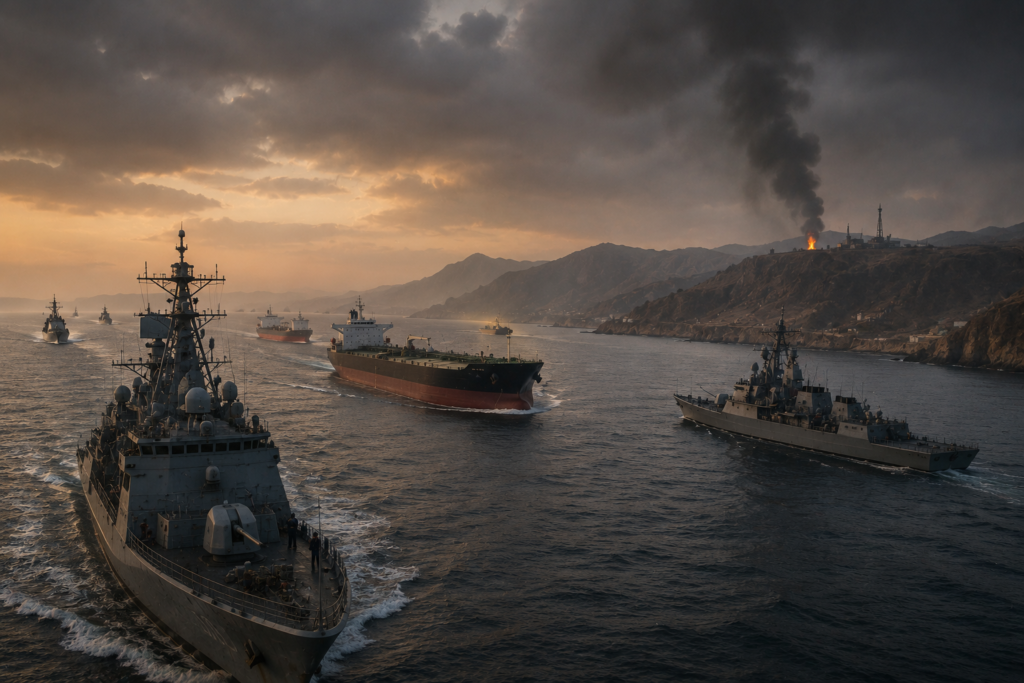
One of the biggest concerns involves the Strait of Hormuz, one of the world most critical oil shipping routes. According to the provided information, Iran has effectively shut down the Strait of Hormuz, the US responded with a naval blockade targeting Iranian ships, and global oil and gas prices have surged because of the tensions. Trump reportedly stated that the blockade would continue in full force and effect until a finalized and certified agreement is completed. The maritime situation remains one of the most sensitive elements of the broader negotiations because disruptions in the region can directly affect international energy markets.
Nuclear Disarmament Remains a Major Obstacle
The issue of Iran nuclear program continues to be the most difficult diplomatic hurdle. The United States and Israel reportedly insist that Iran dismantle its nuclear enrichment infrastructure, highly enriched uranium stockpiles be removed or disposed of, and international supervision remain active. The information indicates that Tehran has agreed in principle to some dilution measures under UN watchdog supervision, but the exact implementation details remain unresolved. This disagreement is central to the negotiations because both sides appear divided over verification standards, inspection authority, and long term compliance mechanisms.
Iran Financial Demands
Financial restrictions and frozen assets are also creating major complications. Iranian officials reportedly accuse the United States of slowing progress by refusing to release billions of dollars in Iranian oil revenues and overseas assets currently frozen in foreign banks. These financial disputes have become increasingly important because Iran views sanctions relief and asset access as necessary components of any long term settlement.
Regional Military Alliances Complicate Diplomacy
Regional alliances and military strategies continue to influence the negotiations heavily. According to the provided information, Israeli Prime Minister Benjamin Netanyahu insists military operations against Hezbollah in Lebanon will continue, and Iran considers Hezbollah related issues closely tied to any larger ceasefire agreement. This creates additional diplomatic complexity because the negotiations now involve interconnected regional conflicts rather than a single bilateral dispute.
Domestic Political Pressure Inside the United States
The slower diplomatic pace also appears linked to internal political pressure in the United States. The provided information states that prominent Republican lawmakers warned against rushing negotiations, some leaders feared a premature agreement could become a disastrous mistake, and Trump defended the slower approach by arguing that both sides must take their time and get it right. This political environment is important because any future agreement would likely face congressional scrutiny, political criticism, and national security debates.
Comparisons to the 2015 Iran Nuclear Agreement
Trump comments also revive comparisons with the 2015 Iran nuclear accord. According to the information provided, Trump referenced flaws in the earlier agreement, the current administration wants stronger guarantees, and negotiators are attempting to avoid repeating past mistakes. The debate over the earlier deal continues to shape current diplomatic strategy and influences how both American policymakers and international observers evaluate the negotiations.
Iran Says Both Sides Are Very Close and Very Far
Iranian Foreign Ministry spokesperson Esmail Baghaei reportedly described the negotiations as simultaneously very close and very far. This unusual characterization reflects the contradictory nature of the talks. On one side, broad diplomatic discussions continue, both parties remain engaged, and framework concepts are being explored. On the other side, major disagreements remain unresolved, military tensions persist, and trust between parties remains limited.
Proposed 60 Day Diplomatic Framework
The information provided indicates that diplomats are working within a proposed 60 day framework. The purpose of this framework is to formalize broad principles, verify compliance mechanisms, negotiate enforcement structures, and establish a certified treaty process. This timeline is intended to give negotiators enough time to address complicated technical and geopolitical issues without forcing a rushed agreement.
Global Oil Markets Watching Closely
Energy markets remain highly sensitive to developments involving Iran and the Strait of Hormuz. Because the region handles a large percentage of global oil transport, prolonged instability can raise fuel prices, disrupt international shipping, increase inflationary pressure, and affect stock markets worldwide. Investors and governments are therefore closely monitoring naval activity, diplomatic progress, sanctions policy, and military escalation risks.
Why the Strait of Hormuz Is So Important
The Strait of Hormuz remains one of the world most strategically important maritime passages. Any disruption in the region can impact oil exports, gas transportation, shipping insurance costs, and global energy security. The reported naval blockades and shipping restrictions have therefore intensified international concern surrounding the conflict.
Diplomatic Challenges Ahead
Despite ongoing discussions, several difficult questions remain unanswered including how nuclear dismantlement would be verified, whether sanctions would be lifted gradually or immediately, how regional armed groups would factor into the agreement, and whether maritime restrictions would end quickly. These unresolved issues explain why negotiations continue moving cautiously.
International Attention Remains High
The negotiations are receiving global attention because they affect Middle East stability, international trade, oil prices, geopolitical alliances, and military risk calculations. The combination of nuclear concerns, regional conflicts, and economic sanctions makes this one of the most closely watched diplomatic situations of 2026.
Conclusion
Donald Trump decision to slow expectations for a rapid Iran agreement signals a major shift in the ongoing diplomatic process. While negotiations continue under a proposed 60 day framework, serious disagreements remain over nuclear disarmament, frozen financial assets, maritime blockades, and regional military alliances. The cautious tone adopted by the United States also reflects growing domestic political pressure and concerns about repeating perceived weaknesses from earlier agreements. With tensions involving the Strait of Hormuz, Hezbollah, and international oil markets still unresolved, the outcome of these negotiations could have significant consequences far beyond the Middle East. For now, both sides appear willing to continue discussions, but the path toward a finalized and verified agreement remains highly complicated.
What did Donald Trump say about the Iran negotiations?
Trump instructed American negotiators not to rush into a deal, stating that time is on our side, marking a shift from earlier expectations of a rapid agreement.
What are the main sticking points in the US Iran negotiations?
The main sticking points include maritime blockades in the Strait of Hormuz, nuclear disarmament verification, frozen Iranian financial assets, and regional military alliances involving Hezbollah.
What is the proposed timeline for the diplomatic framework?
Diplomats are working within a proposed 60 day framework designed to finalize a verified treaty if broad principles can first be secured.
Why is the Strait of Hormuz important in these negotiations?
The Strait of Hormuz is one of the world most critical oil shipping routes. Iran has effectively shut it down, and the US responded with a naval blockade, causing global oil and gas prices to surge.
How did Iran describe the current state of negotiations?
Iranian Foreign Ministry spokesperson Esmail Baghaei described the negotiations as simultaneously very close and very far, reflecting the contradictory nature of the talks.